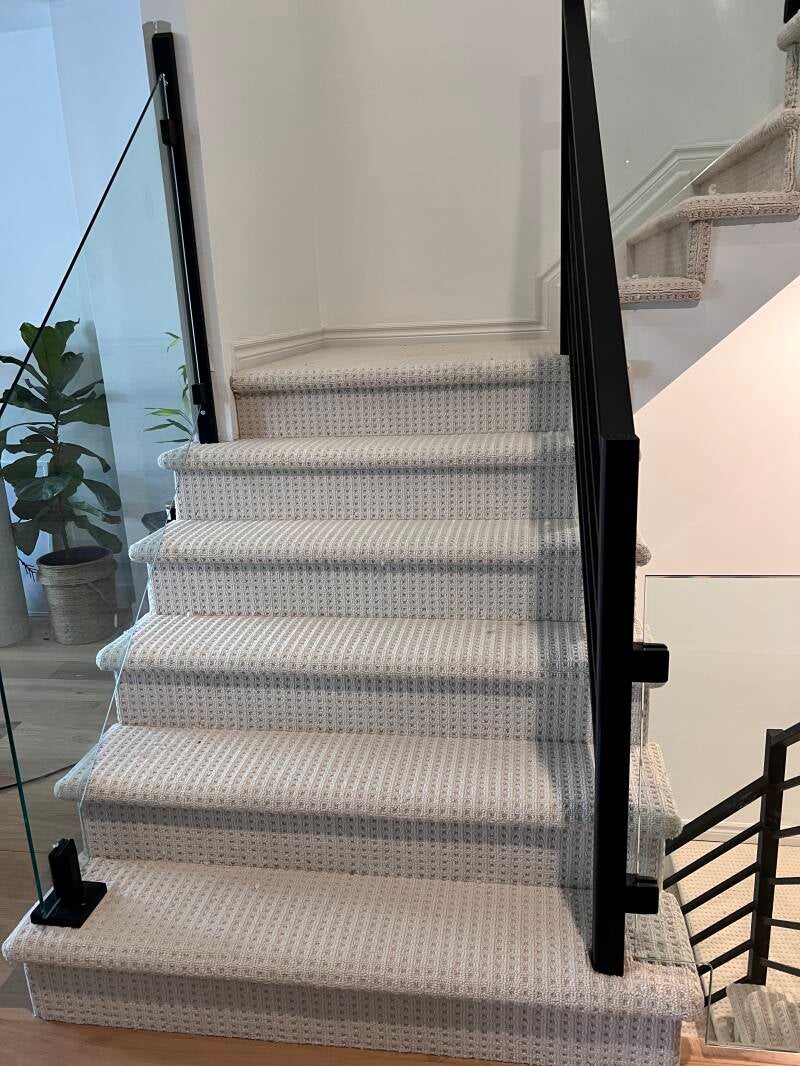
At Magic Carpeting Supply & Install we pride ourselves on offering a stunning selection of carpets, designed to suit any decor and lifestyle. Our Products Gallery is curated to highlight the finest materials, patterns, and colours, ensuring there is something for everyone. From plush, luxurious carpets that add a touch of elegance to your living room, to durable, stain-resistant options ideal for high-traffic areas, our collection is both extensive and diverse. Each carpet in our gallery has been carefully selected for its superior quality and craftsmanship.
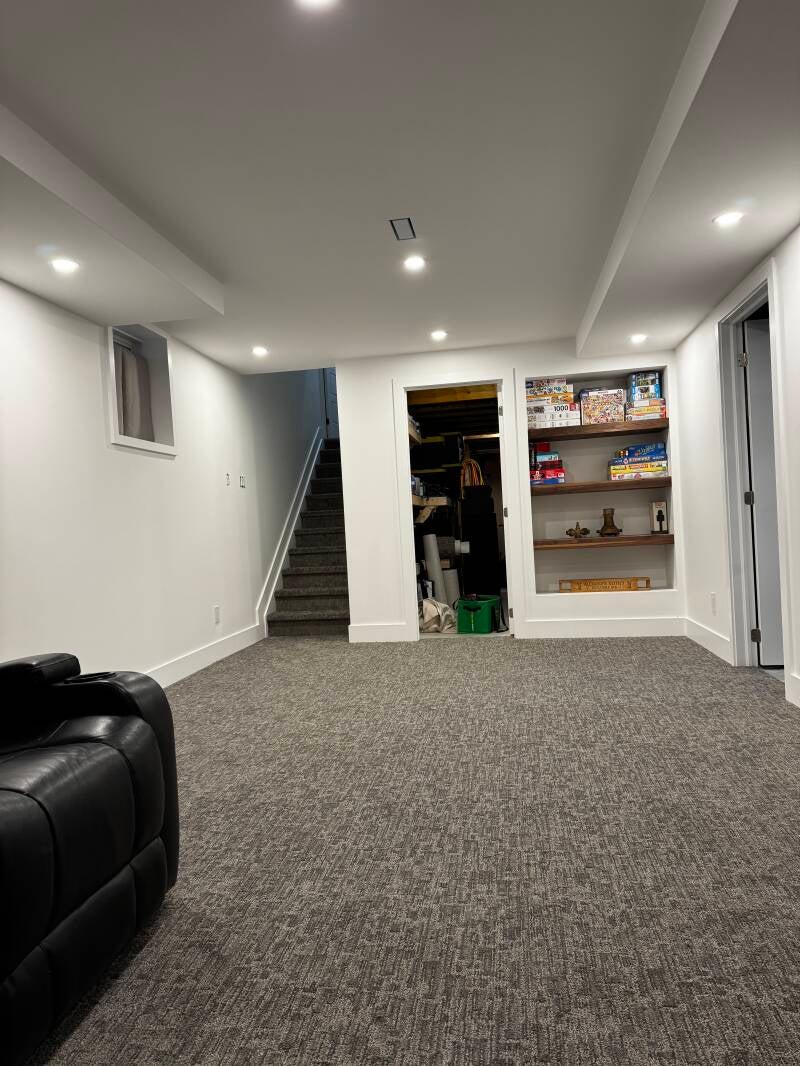
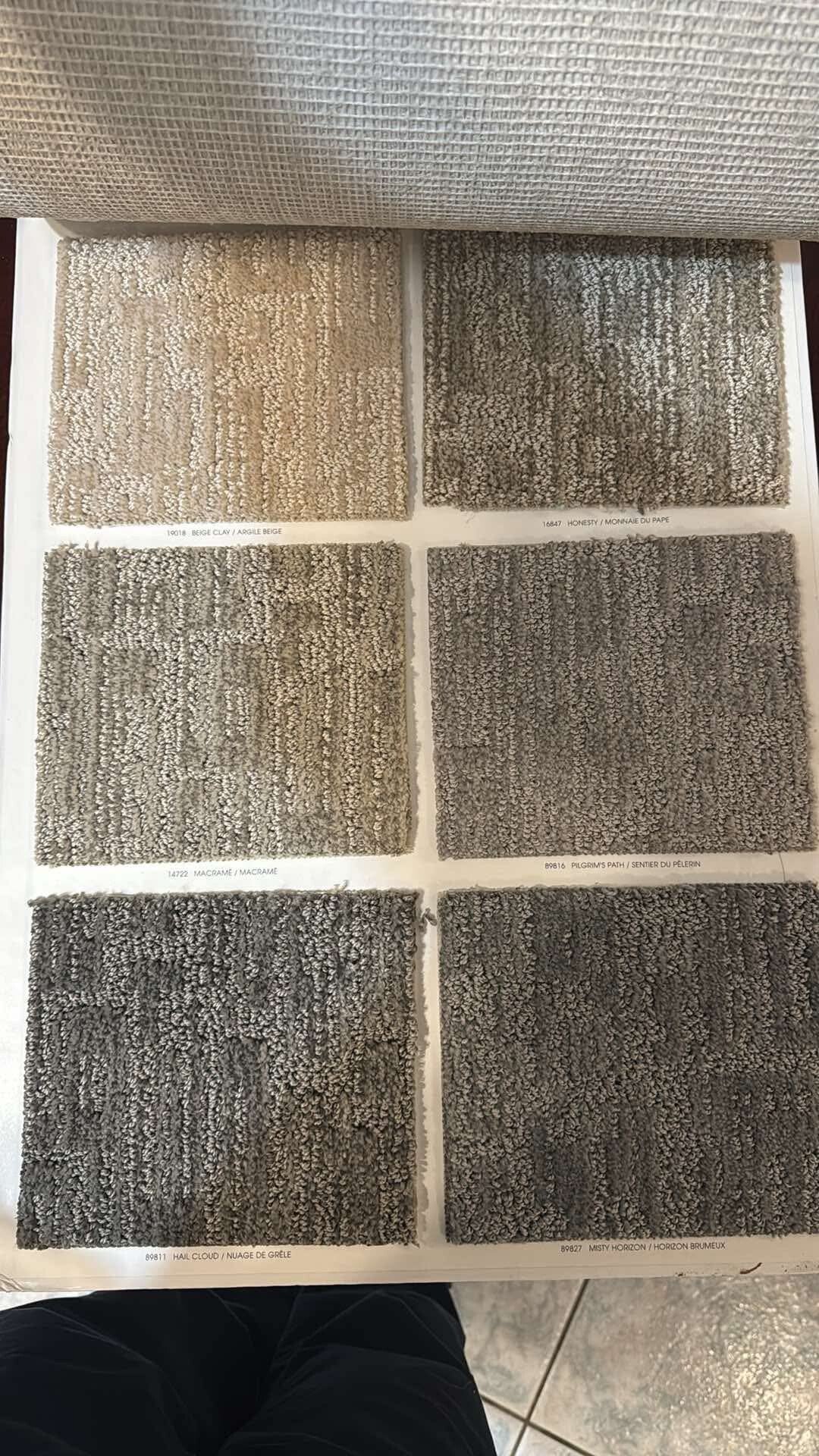


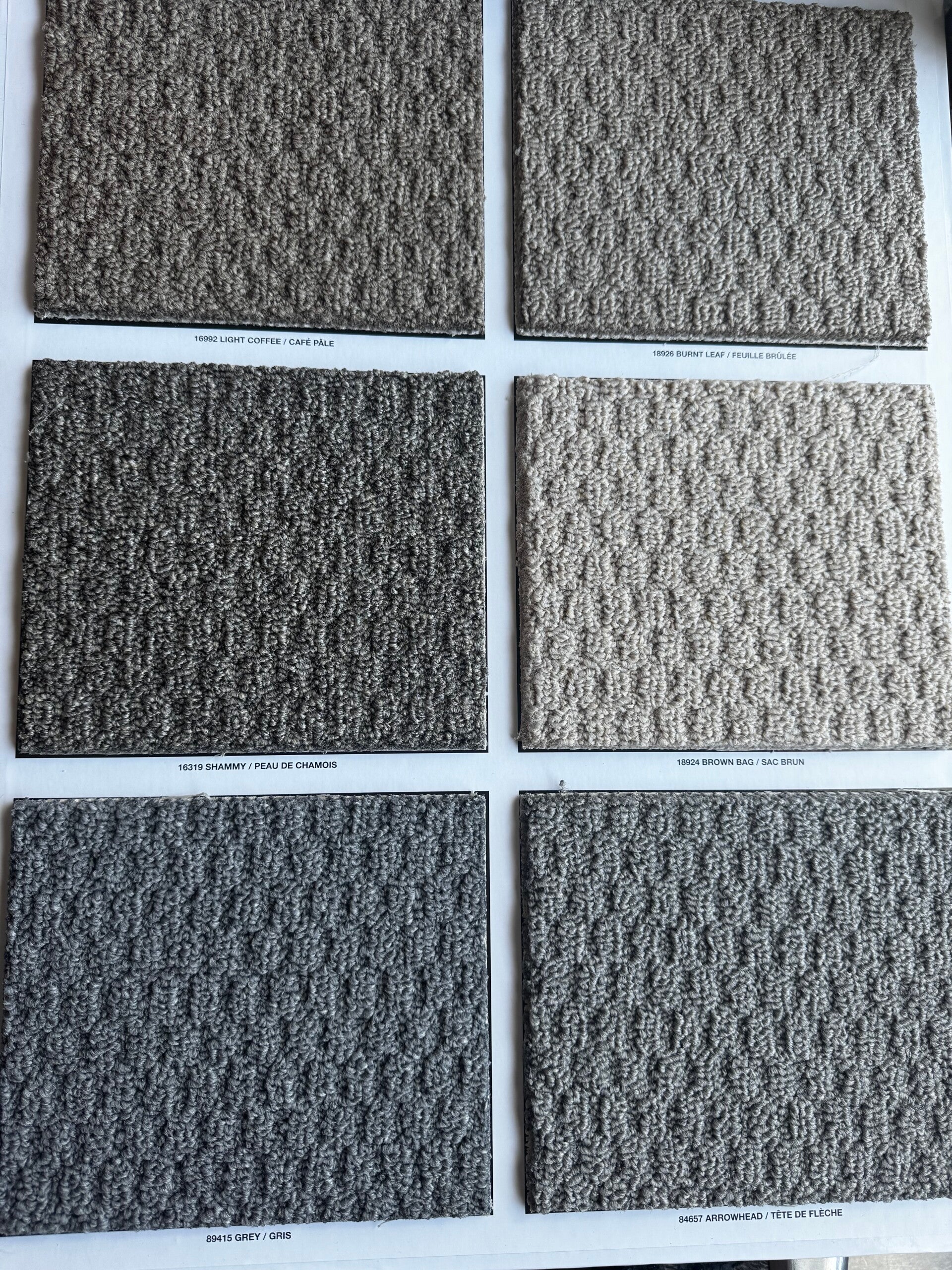
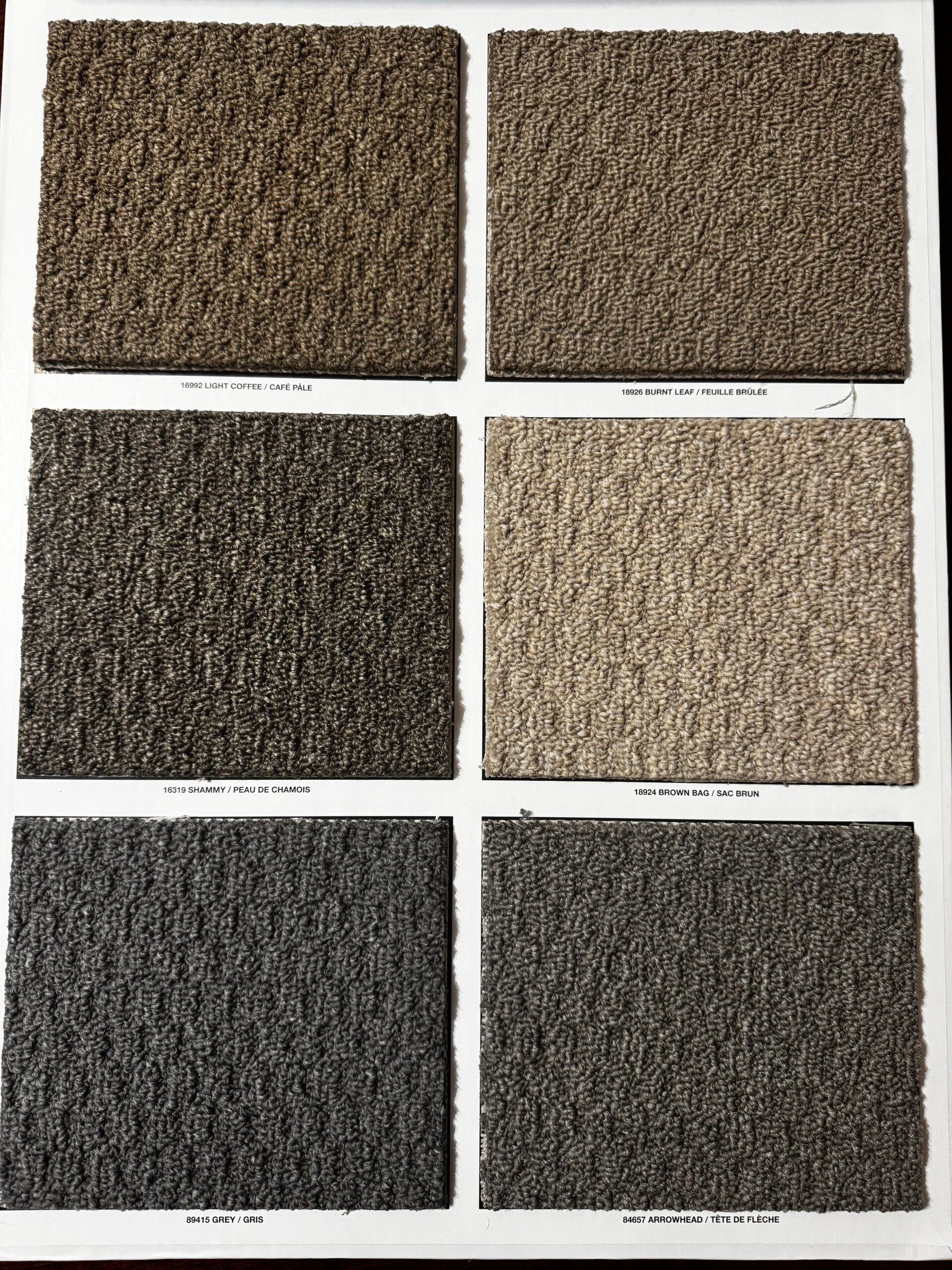

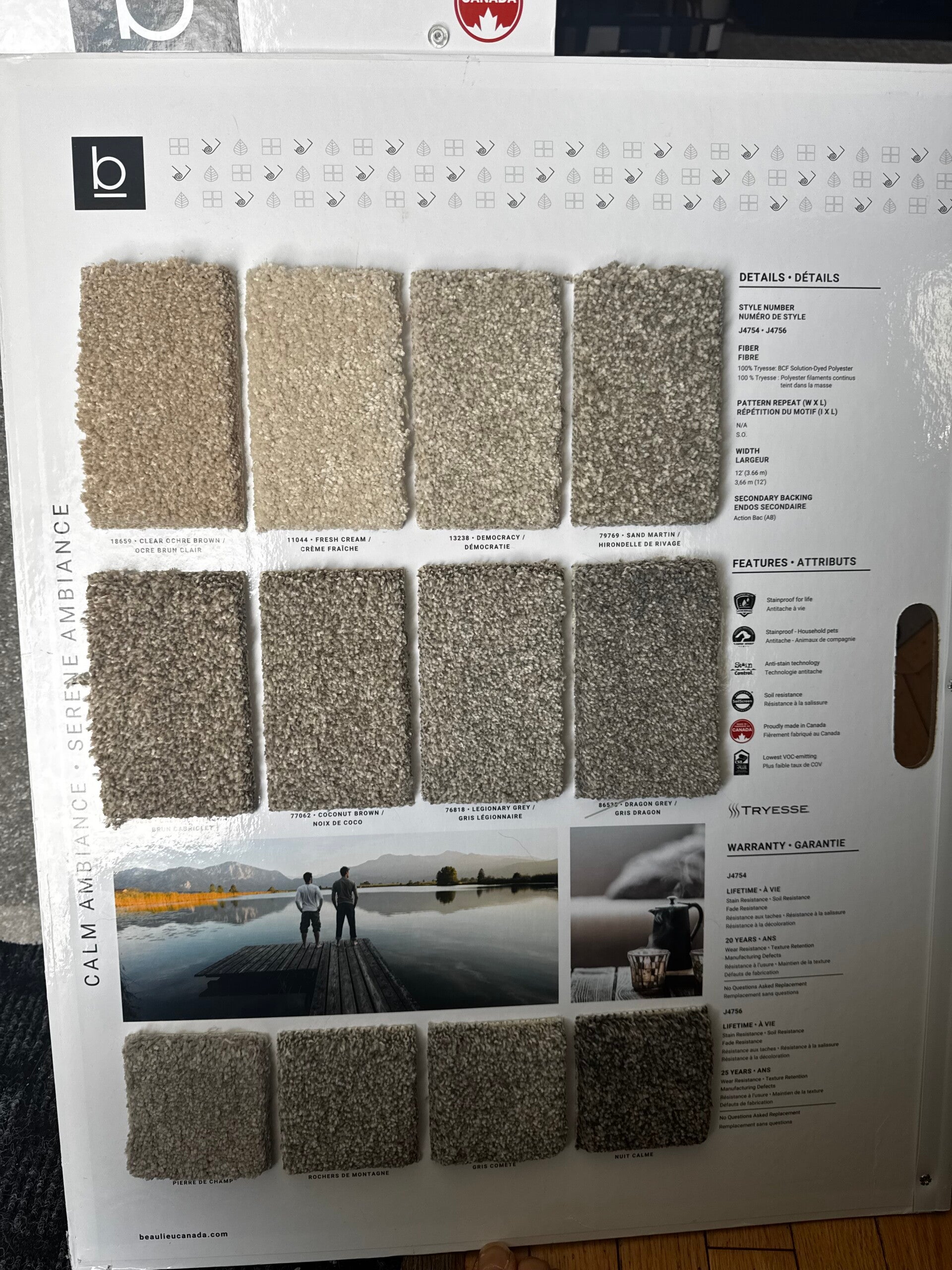
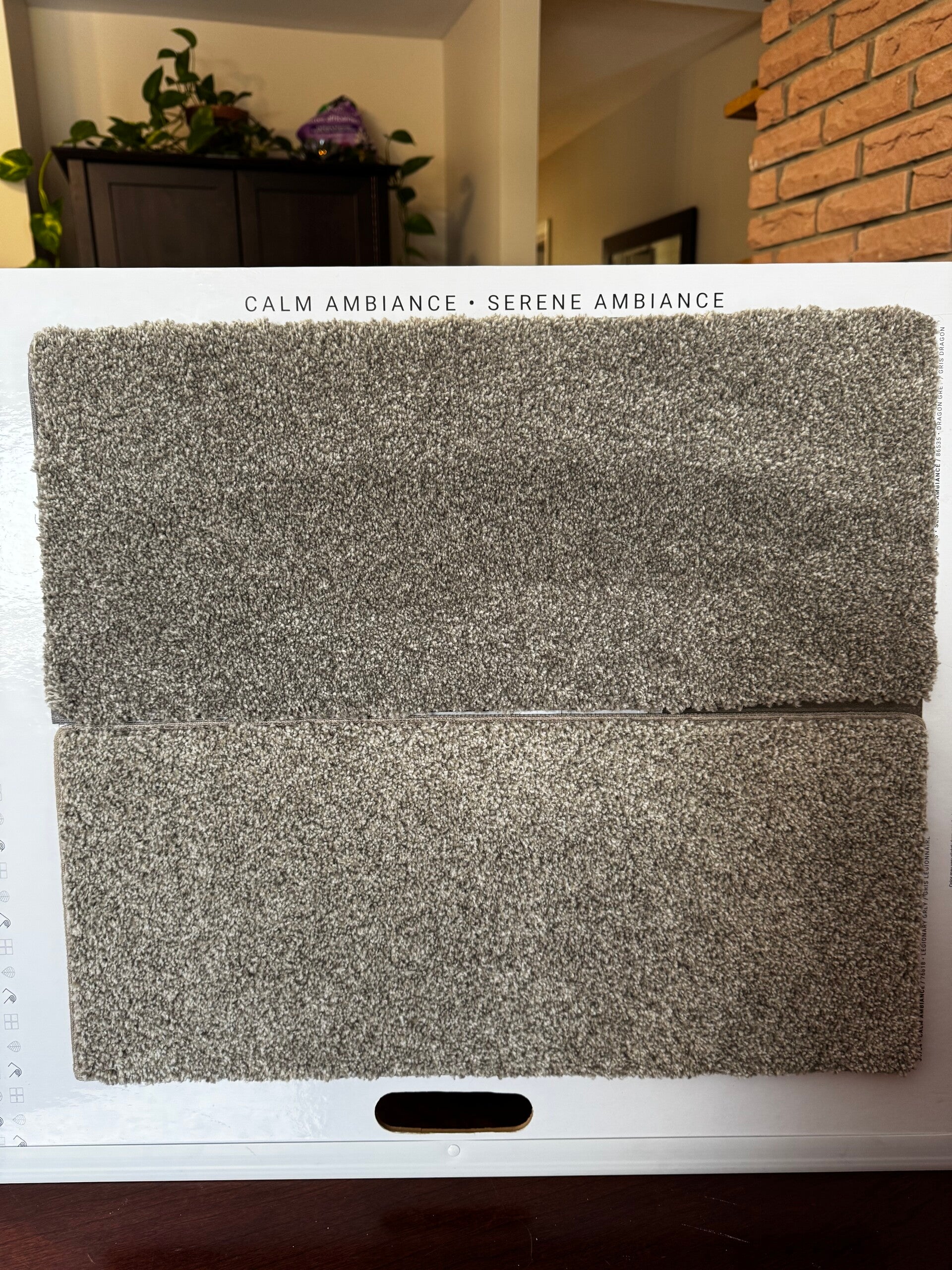

We offer a range of natural fibres, such as wool and sisal, which are perfect for those seeking an eco-friendly option. Additionally, our synthetic carpets, designed for durability and ease of maintenance, are ideal for busy households and commercial spaces. Our team of experts is always on hand to help you navigate through the various options, providing personalized recommendations based on your specific needs and preferences. At Magic carpeting, we understand that choosing the right carpet is an important decision. That's why we offer a comprehensive range of services, including custom installations and professional carpet cleaning, to ensure your investment remains beautiful and functional for years to come. Our commitment to quality and customer satisfaction means you can trust us to deliver exceptional results, every time.
Beyond the ordinary.



Get in touch today!
Interested in learning more about our products or services? Contact us now and let our experts assist you in finding the perfect carpet for your home or business. + 1 819 962 6222
Contact us
info@magiccarpeting.ca
How to Choose the Right Carpet: A Complete Guide for Your Home or Business
Carpets do more than cover floors; they anchor a room, dampen sound, add warmth and comfort, and contribute to the overall style of a space. Choosing the right carpet is an investment, so it pays to understand how fibre types, pile structures, colours, padding and sustainability affect performance and aesthetics. This guide synthesises advice from flooring experts and industry publications to help homeowners and businesses choose carpets that will look great, stand up to daily use and remain a wise investment for years to come.
1 Assess where and how the carpet will be used
Before browsing samples, think about the function of the space:
- Traffic and activity levels – High‑traffic areas such as entrances and living rooms need resilient fibres and durable pile structures; delicate fibres will wear down quickly. Low‑traffic spaces such as bedrooms or home offices allow for luxurious high‑pile wool or silk blends.
- Lifestyle needs – Households with children or pets benefit from stain‑resistant, easy‑clean carpets; loop piles can snag on pet claws, so cut piles or flatweaves may be safer choices. People with allergies might avoid deep‑pile carpets that trap dust and instead opt for low‑pile wool rugs, which can trap dust until vacuuming.
- Environmental factors – Consider direct sunlight, humidity and existing heating. Thick carpets insulate floors but may not be suitable over radiant‑heat systems unless rated for that use. Answering these questions will narrow down appropriate fibres, pile types and colours .
2 Choose the fibre: durability, feel and budget
Carpet fibres influence durability, texture, stain resistance and cost. The most common fibres fall into two categories: natural (wool) and synthetic (nylon, polyester, Triexta). Below is a comparison of the most popular options.
Fibre
Key benefits
Considerations
Nylon (including solution‑dyed nylon)
The strongest synthetic fibre: it resists abrasion, is easy to clean and performs well in high‑traffic areas like hallways and stairs. Solution‑dyed nylon (SDN) is family‑friendly because it combines durability with excellent stain‑resistance.
Slightly more expensive than other synthetics; may create static electricity.
Polyester
Budget‑friendly and prized for softness and vibrant colour retention. It offers good stain resistance and is a comfortable choice for bedrooms or moderate‑traffic areas .
Less resilient than nylon; fibres can flatten in high‑traffic areas.
Triexta (PTT)
A relatively new fibre partially derived from corn; it rivals nylon in durability and provides a soft, luxurious feel with superior stain resistance. Flooring experts recommend Triexta for pet owners because accidents and muddy paws are easily cleaned.
May be more expensive than polyester; supply can be limited because it’s newer to the market.
Blended fibres (e.g., 80/20 wool/nylon)
Combine natural and synthetic benefits; an 80/20 blend offers wool’s feel with improved durability and cost savings.
Performance depends on the specific blend; may not have the full benefits of either fibre on its own.
For eco‑conscious buyers, sustainable carpets include wool, organic cotton, jute or sisal and recycled PET (polyester made from plastic bottles). Sustainable carpets reduce environmental impact, improve indoor air quality and often last longer . Look for carpets certified for low volatile organic compounds (VOCs) to ensure healthier indoor air.
3 Select the pile type for durability and texture
The pile refers to how the fibres are cut or looped and significantly affects the carpet’s feel, appearance and longevity.
- Loop pile (including Berber) – Fibres remain uncut, forming loops that create a firm, dense surface. Loop‑pile carpets are incredibly durable and perfect for high‑traffic areas like hallways and family rooms. However, the loops can snag on pet claws or high heels, so they may not suit homes with pets.
- Cut pile (twist pile) – Looped fibres are sheared to create upright tufts. Twist‑pile carpets feel soft and plush and are popular for living rooms and bedrooms. The twisted yarn adds strength and texture, but cut‑pile carpets may show footprints and vacuum marks.
- Combination cut and loop – Combines cut and uncut fibres to create subtle patterns and textures. This style adds visual interest and works well in formal spaces like sitting rooms or dining areas.
- Plush (velvet) pile – A type of cut pile with densely packed fibres. Plush carpets offer ultimate luxury and velvety softness, making them perfect for bedrooms. They require more maintenance to retain their pristine look.
- Flatweave (no pile) – Woven carpets with no pile (e.g., kilims, dhurries). They are reversible, lightweight and easy to clean. Flatweave rugs do not trap heat, making them popular in warm climates or as accent rugs.
Pile height is also important. High‑pile carpets (longer fibres) feel luxurious but are better suited to low‑traffic areas; low‑pile carpets (shorter fibres) are easier to clean and more durable .
4 Consider colour, pattern and design
Colour transforms a space and influences how large or intimate it feels:
- Dark colours (charcoal, dark grey, rich brown) are bold and create a cosy, intimate atmosphere, but they can make smaller rooms feel more enclosed. Dark carpets hide dirt well.
- Light colours (beige, cream, pale grey) brighten a room and make it feel open and spacious. Neutral carpets with grey undertones lean contemporary, while those with yellow undertones offer a classic look. Light carpets show stains more easily, so they may not suit entrances or playrooms.
- Coloured carpets like deep navy, sage or blush pink add personality and elegance. Experts caution to choose hues that complement existing décor and avoid overwhelming the space.
- Patterns and textures – Combination cut‑and‑loop piles, Berber patterns and patterned flatweave rugs add interest and can mask dirt. Bold patterns can become the room’s focal point, while subtle textures like heathered or tweed carpets provide visual depth without dominating the décor.
When choosing colour, remember that natural and artificial lighting change how colours appear. Always view carpet samples in your space at different times of day.
5 Don’t neglect the weight, density and padding
- Face weight vs total weight – Face weight measures the weight of the carpet’s fibres per square yard and gives a better idea of durability than total weight, which includes the backing . Higher face weight generally means denser, more durable carpet, but also consider fibre type and twist.
- Density and tuft twist – A higher density (more fibres per square inch) and tighter twist improve resilience and prevent matting, which is crucial for high‑traffic areas.
- Padding – Quality carpet cushion prolongs carpet life, adds comfort, insulates against noise and temperature and prevents moisture problems . Do not skimp on padding; choose the right thickness and density recommended for your carpet type.
6 Choose sustainable, healthy options when possible
Consumers increasingly prioritise sustainability and indoor air quality. Eco‑friendly carpeting is made from renewable or recycled materials (e.g., wool, organic cotton, recycled PET) and manufactured with low‑VOC processes . Benefits include a smaller carbon footprint, reduced waste, improved insulation and healthier indoor air .
7 Get professional installation and care
Professional installers measure, cut and seam carpets properly, ensuring a flawless finish and extending carpet life. DIY installation may save labour costs, but mistakes can lead to costly repairs and shorter carpet life . Experienced installers also know how to lay the correct padding, stretch the carpet properly and accommodate patterns, stairs and irregular rooms.
To care for your carpet:
- Vacuum regularly (weekly or more) to prevent dirt from grinding into fibres.
- Treat spills promptly using manufacturer‑approved cleaners.
- Schedule professional deep cleaning every 12–18 months for high‑traffic areas.
- Rotate area rugs periodically to distribute wear.
8 Practical tips before buying
- Think about maintenance – Families and pet owners may benefit from stain‑resistant fibres like solution‑dyed nylon or Triexta.
- Take samples home – Test samples in your space at different times; lighting dramatically affects colour perception.
- Consider area rugs – If you are not ready for wall‑to‑wall carpeting, area rugs add warmth and style while showcasing hardwood or tile floors.
- Consult professionals – A reputable carpet retailer or installer can answer questions about fibre performance, warranties and maintenance and can advise on the best options for your budget, style and lifestyle.
Conclusion
Selecting the right carpet involves balancing practicality, comfort and style. Start by assessing the room’s traffic and function, then choose a fibre and pile type that fits your lifestyle and budget. Colour and pattern should complement your décor and account for lighting and cleaning considerations. Don’t overlook the importance of density, face weight and quality padding for long‑term durability. Where possible, opt for sustainable, low‑VOC materials and rely on professional installation for best results. By following these guidelines and testing samples at home, you can find a carpet that delivers warmth, beauty and long‑lasting performance for your home or business.
Location
Ottawa Ontario Canada